


Affordable Everyday Staples That Build a Real Wardrobe
Last Updated: November 10, 2026
Quick Summary
Affordable wardrobe staples are plain, versatile pieces that pair with at least three other items you own and last across seasons. They beat trend buys on cost per wear, so a basic tee worn forty times costs far less per wear than a trend top worn twice.
- A workable starter capsule is around 20 to 25 pieces, including shoes and one outer layer.
- Plain tees and white shirts are among the most versatile tops in a capsule.
- Spend more on jeans, trousers, everyday shoes and outer layers; spend less on plain tees and socks.
- Check shoulders, waist and length before buying, since shoulders are the hardest fit to alter.
- Wash knits in cold water, turn them inside out, and store them folded to make them last longer.
Table of Contents
- Why Affordable Wardrobe Staples Beat Trend Chasing
- The Capsule Wardrobe Checklist for a Working Closet
- Basic Wardrobe Essentials for Women That Mix and Match
- Wardrobe Essentials for Men Without the Guesswork
- How to Build a Timeless Wardrobe on a Budget
- Price Tiers and Cost Per Wear: What Cheap Really Costs
- Fabric Quality and Fit: What to Check Before You Buy
- Care and Repair That Keep Staples Going for Years
- Building Your First Staple Order at Kista Kollection
- Frequently Asked Questions
Why Affordable Wardrobe Staples Beat Trend Chasing
Most closets are full and still feel empty. That is the real cost of chasing trends: you buy often and still have nothing to wear. Affordable wardrobe staples solve that problem because they repeat well, pair easily, and survive more than one season.
A staple earns its place by working with at least three other items you already own. A trend piece usually works with one.
Trend chasing feels cheaper because the sticker price is low. The real math is worse: a piece worn twice costs more per wear than a plain tee worn forty times. Staples win on cost per wear, not on the price tag.
Below, we break down exactly what to buy, what to skip, and how to spend less while dressing better.
The Capsule Wardrobe Checklist for a Working Closet
A capsule wardrobe checklist is a short list of neutral, versatile pieces that all work together. The goal is not fewer clothes. The goal is fewer clothes you never wear.
What Belongs on the Checklist
Start with pieces that mix and match without effort. A working list covers tops, bottoms, one layer, and one pair of shoes that fit your actual week.
- Two plain tees in neutral colors
- One white shirt or button-down
- One pair of straight-leg jeans
- One pair of tailored trousers
- One knit layer, crewneck or cardigan
- One outer layer for your climate
- One pair of white sneakers
- One pair of black boots or flats
Every item on that list should pair with at least three others. If it doesn't, it is a trend piece, not a staple.
How Many Pieces You Actually Need
Most people need far fewer pieces than they own. A workable starter set is around 20 to 25 items, including shoes and one outer layer. That sounds small until you count the outfit options it creates.
Twenty pieces that all coordinate produce dozens of combinations. Sixty pieces that half-coordinate produce chaos and morning stress. Fewer, coordinated basics win nearly every time.
Basic Wardrobe Essentials for Women That Mix and Match
Basic wardrobe essentials for women do not need to be expensive. They need to fit well, hold their color, and pair with what you already own. Fit and fabric matter far more than the label.
Tops and Tees That Do the Heavy Lifting
A plain tee is the hardest-working item you own. It layers under jackets, tucks into jeans, and dresses up with a necklace. Buy two or three in neutral colors and wear them on repeat.
Look for a tee that holds its shape after washing. Thin fabric that goes sheer or stretches out is a false economy. A casual basic tee that keeps its fit is worth more than three that don't.
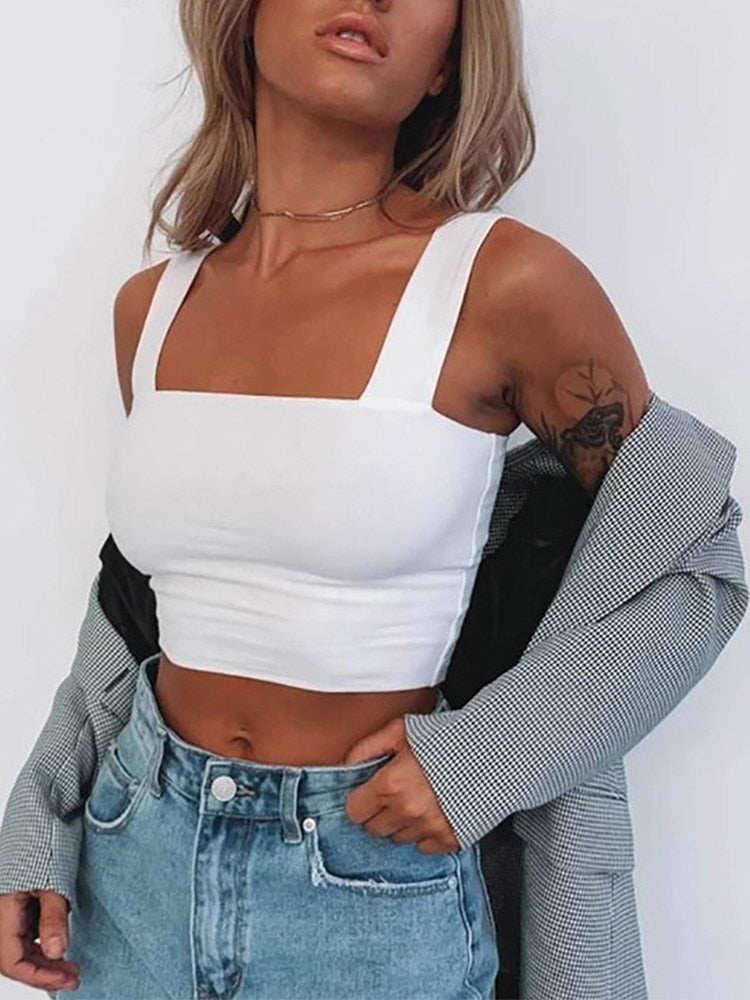
The same logic applies to white shirts. A crisp white shirt reads polished with jeans and formal with trousers. It is the single most versatile top in a capsule.
Denim, Trousers, and Bottoms That Stay in Rotation
Jeans anchor most everyday outfits. A straight-leg or slim cut in a dark wash works with sneakers, boots, and a blazer. Skip the heavily distressed pairs if you want longevity.
Trousers add polish a wardrobe needs. A slim pencil pant in a solid color moves from desk to dinner with a shoe change. If you want bottoms that do both jobs, a pair of all-match wide leg denim covers casual days while tailored trousers handle the rest.
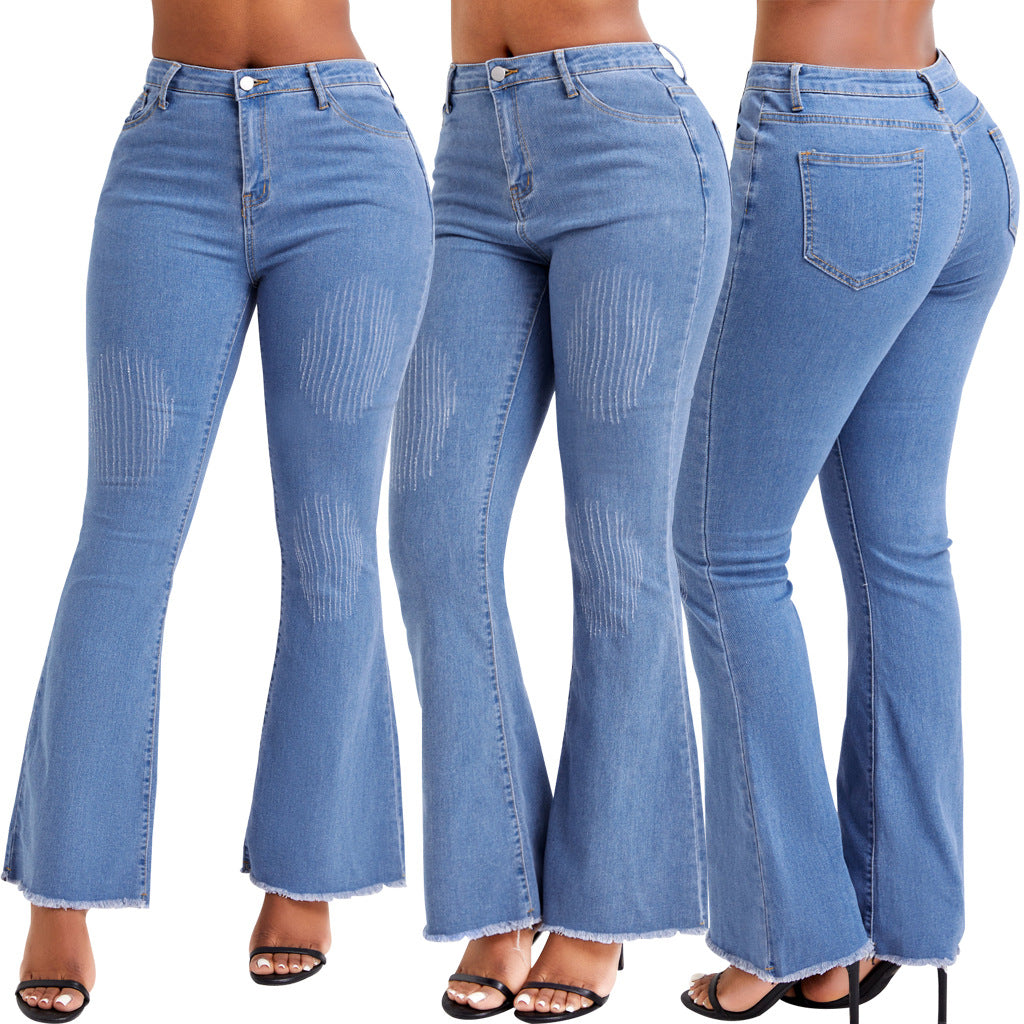
Two pairs of bottoms, one denim and one tailored, cover most of the week.
Wardrobe Essentials for Men Without the Guesswork
Wardrobe essentials for men come down to fit and fabric, not quantity. Most men need fewer pieces than they think, chosen well.
Shirts and Knitwear That Work Week to Weekend
A good shirt does two jobs. A cotton-linen long-sleeve in a solid color works at the office and on a weekend. Roll the sleeves and it reads casual. Tuck it in and it reads sharp.
Knitwear adds warmth without bulk. A wool sweater in a neutral tone layers over a shirt in cold months and stands alone in milder weather. A long-sleeve bottoming shirt is the quiet layer that makes both work.
Stick to solid colors. Patterns date faster and pair with less.
Everyday Shoes That Carry the Outfit
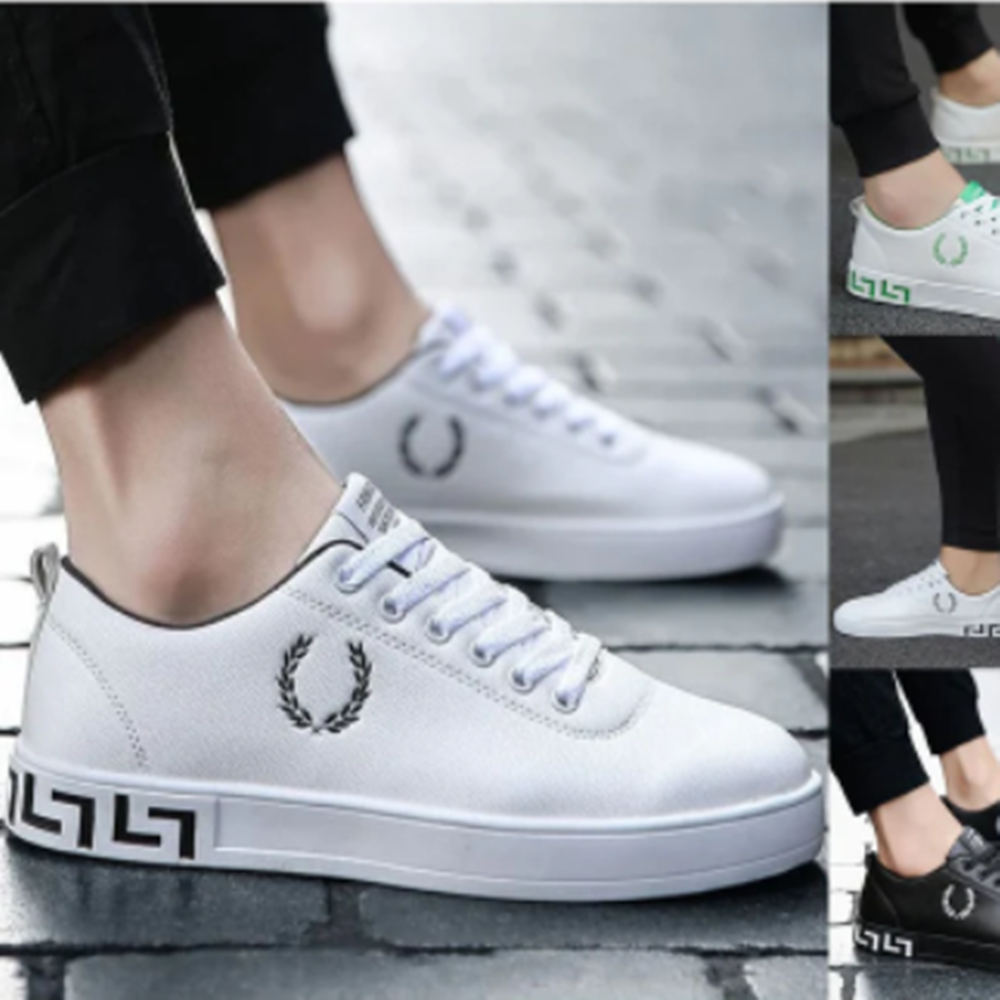
Shoes make or break an outfit more than any other item. A clean white sneaker handles casual days. A darker casual shoe handles everything slightly dressier.
Comfort matters as much as looks. If you want one pair to start, a versatile all-match casual sneaker or a low casual sneaker covers most everyday wear.
How to Build a Timeless Wardrobe on a Budget
Building a timeless wardrobe on a budget is not about buying cheap. It is about buying deliberately. The cheapest wardrobe is the one you stop replacing every season.
Start with what you own. Pull out everything you wore in the last month and set the rest aside. That pile tells you what you actually reach for, and what you keep buying by mistake.
Then buy in this order:
- Replace worn-out basics first
- Add one layer that works across seasons
- Fill the gap that blocks the most outfits
- Only then add a trend piece
Buy one or two items at a time and wear them before buying more. This slows impulse spending and shows you what a piece really does in your rotation.
Price Tiers and Cost Per Wear: What Cheap Really Costs
Cost per wear is the price of an item divided by how many times you wear it. It is the only number that matters when judging whether something is truly affordable. A tee at $29 worn forty times costs about 73 cents per wear. A trend top at a lower price worn twice costs far more per outing. The cheaper item is often the more expensive one.
Here is how the math works across a few staples:
| Item | Price | Wears per year | Cost per wear (year one) |
|---|---|---|---|
| Casual basic tee | $29.00 | 40 | $0.73 |
| Slim pencil pants | $42.92 | 30 | $1.43 |
| Denim skinny jeans | $65.88 | 50 | $1.32 |
| Men's cotton-linen shirt | $36.35 | 35 | $1.04 |
| Men's wool sweater | $92.38 | 25 | $3.70 |
| Women's mesh sneakers | $50.00 | 60 | $0.83 |
Cost per wear (year one)
The sweater looks expensive up front. Worn across several winters, its cost per wear drops every season. That is the case for buying fewer, sturdier pieces.
Three Budget Tiers to Shop Within
Most shoppers do better with a tiered budget than a single spending cap. A common pattern is to split a staples budget into three bands:
- Entry tier: the lowest-priced version of a basic that still holds its shape and color. Best for tees, socks, and pieces you rotate hard and replace often.
- Core tier: the mid-priced version you expect to wear for two or more years. Best for jeans, trousers, knitwear, and everyday shoes.
- Investment tier: the highest-priced piece you will wear weekly for several seasons. Best for one outer layer, one pair of boots, and one structured blazer.
Spending more on the core and investment tiers and less on the entry tier can keep the overall cost per wear low. The mistake is spending up on everything at once, which strains the budget and encourages fewer, less versatile buys.
Where to Spend and Where to Save
Not every staple deserves the same budget. A simple rule: spend where fit and fabric are hard to fake, save where they are easy to replace.
- Spend more: jeans, tailored trousers, everyday shoes, a wool sweater, and an outer layer. These take the most wear and show cheap construction fastest.
- Spend less: plain tees, basic tanks, socks, and trend-adjacent accessories. These rotate out quickly and are easy to replace at a low price.
Watch out: treating every item as an investment piece is the fastest way to blow a staples budget on one or two buys and leave gaps everywhere else.
A Simple Cost-Per-Wear Formula You Can Run Yourself
Before buying, estimate how many times you will realistically wear the item in a year, then divide the price by that number. If the result is higher than what you already pay per wear for a similar piece, the item is not an upgrade, it is a duplicate. Keep a running note of your most-worn pieces and their cost per wear; after one season, the note tells you exactly where your money is working and where it is not.
Fabric Quality and Fit: What to Check Before You Buy
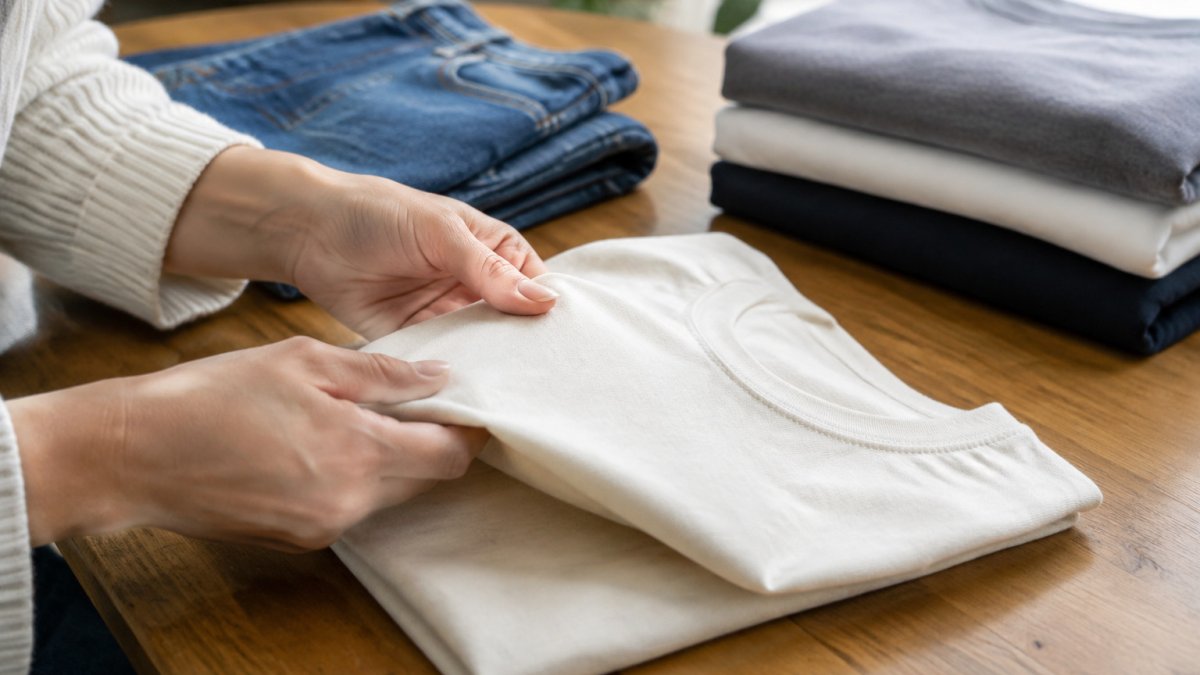
Fabric quality and fit decide whether a staple lasts. Two shirts at the same price can wear completely differently based on the material and the cut.
Fabric Trade-Offs Worth Knowing
Every fabric balances price, comfort, and durability differently. Knowing the trade-offs helps you judge whether a low price is a bargain or a false economy.
- Cotton: breathable, softens with wear, and holds color well. Look for a denser weave on tees and shirts; thin cotton goes sheer and stretches out.
- Linen: breathes better than almost anything in heat but wrinkles easily. Blends with cotton or a little stretch reduce the wrinkling without losing the texture.
- Wool: warm, odor-resistant, and long-lasting, but it pills if the fiber is short and cheap. A tighter knit resists pilling better than a loose one.
- Denim: heavier weights last longer and hold their shape; a small amount of stretch adds comfort but can sag over time.
- Synthetic blends: a little stretch helps movement and shape retention, but a high synthetic share traps heat and pills faster. Use blends for movement rather than expecting them to match the durability of heavier natural fabrics.
Feel the fabric between your fingers. If it feels thin or scratchy, it will likely pill or fade fast. Check the seams and hems too; clean, tight stitching is a better durability signal than a brand name.
Fit Guidance Across Sizes and Body Shapes
Fit is not one shape. The same staple needs different adjustments depending on your frame, and a good fit can be tailored into almost any garment.
- Shoulders first: the shoulder seam should sit at or just past your natural shoulder. This is the hardest point to alter, so get it right before anything else.
- Waist and hips: for trousers and jeans, check that the waistband sits flat without gaping at the back and that the rise works when you sit. A tailor can take in a waist but cannot add fabric.
- Length: hem length changes the whole outfit. Cropped trousers and tees can be shortened easily; a too-short hem usually cannot be fixed.
- Between sizes: size up and tailor down. Buying a size down to "make it fit" is the most common fit mistake.
Fit problems often come from the cut rather than the body. Try the same staple in a different rise, length, or shoulder line before deciding it is not for you. Always check the size chart, and use garment measurements rather than the label size when comparing across brands.
A Quick Pre-Purchase Fit Check
Before you buy, check three points: shoulders, waist, and length. A garment that fits at the shoulders can be tailored elsewhere. One that pulls at the seams will not improve. If a piece fails two of the three checks, leave it on the rack; a staple you have to fight to wear will not earn its cost per wear.
Care and Repair That Keep Staples Going for Years
Care decides how long a staple lasts. Most clothes wear out from washing, not from wearing. A few habits add years to a wardrobe.
- Wash in cold water and air-dry where you can
- Turn knits inside out before washing
- Use a mesh bag for delicate items
- Store knits folded, not hung
- Repair a loose button or small tear before it spreads
Cold washing and air-drying are commonly recommended to help protect color and reduce shrinkage. These habits cost nothing and pay back for years.
A small repair kit earns its keep. A needle, matching thread, and spare buttons fix most small problems in minutes. That is cheaper than replacing a shirt over one loose seam.
Building Your First Staple Order at Kista Kollection
The fastest way to start is a small, coordinated order, not a full closet overhaul. Pick two or three pieces that fill your biggest gaps and build from there.
At Kista Kollection, we curate trend-forward fashion and lifestyle essentials so you can dress with intention.
A simple first order looks like this: one plain tee, one pair of bottoms, and one pair of shoes that work with both. Add a layer once those three are in rotation.
Start with the pieces you will wear this week, not the ones you might wear someday. That is how a real wardrobe gets built.
A closet full of clothes you never wear is a budget problem, not a style problem. The fix is fewer, better-chosen staples that mix and match and last.
Frequently Asked Questions
What is the 3-3-3 rule for wardrobe?
The 3-3-3 rule is a packing and planning shortcut: three tops, three bottoms, and three pairs of shoes that all work together. From those nine pieces you can build 27 different outfit options, which is why it doubles as a capsule wardrobe test. If a new item does not combine with at least three things you already own, it is not a staple, it is a one-outfit purchase. Use the rule as a filter before you buy anything new.
What are good affordable wardrobe staples to start with?
Start with the pieces you wear most often: a plain tee or two, a classic shirt, one pair of jeans, a crewneck or half-zip sweater, and a comfortable everyday shoe. At Kista Kollection that could be the Casual Basic T-Shirt at $29.00, the Denim Skinny Jeans at $65.88, and the Womens Flats Sneakers Mesh Breathable at $50.00. These are affordable wardrobe staples because each one pairs with several other items, so a small spend creates a lot of outfit options.
How do I build a capsule wardrobe on a budget?
Pick a neutral color base first, such as black, white, beige, and navy, so everything matches. Buy one piece at a time and check it against three existing items before you commit. Track cost per wear: a $36.35 shirt worn 40 times costs about $0.91 a wear, which is better value than a cheap top worn twice. Add statement pieces only after your basics are covered, and use free shipping thresholds, like orders over $50 domestic, to avoid extra costs.
How many pieces should a basic capsule wardrobe have?
Many people find a capsule of roughly 20 to 35 pieces, including shoes, workable for a season. You do not need to hit a number on day one. Aim for roughly 8 to 10 tops, 4 to 6 bottoms, 3 to 4 layers such as sweaters or jackets, and 3 pairs of shoes. Rotate seasonally, and replace only what wears out. The goal is a closet where nearly everything matches, not a specific count.
Are affordable clothes actually worth buying, or do they fall apart?
Price alone does not decide longevity. Check the fabric content, the stitching at stress points, and whether the fit works without alterations. A cotton-linen shirt and a pair of jeans can last years with proper care. Wash cold, air dry where possible, and repair small issues early. Cost per wear is the honest measure, not the price tag on the day you buy.
